Reliable Semi Truck Services for Your Far-Reaching Distance Hauls
Trustworthy semi truck services are vital in the logistics industry. They guarantee timely deliveries and the integrity of cargo during long-distance hauls. With the right provider, companies can raise operational efficiency and customer satisfaction. However, choosing the right service demands careful consideration of various factors. Understanding these details can significantly affect overall performance in a competitive market. What should businesses focus on when selecting potential trucking partners?
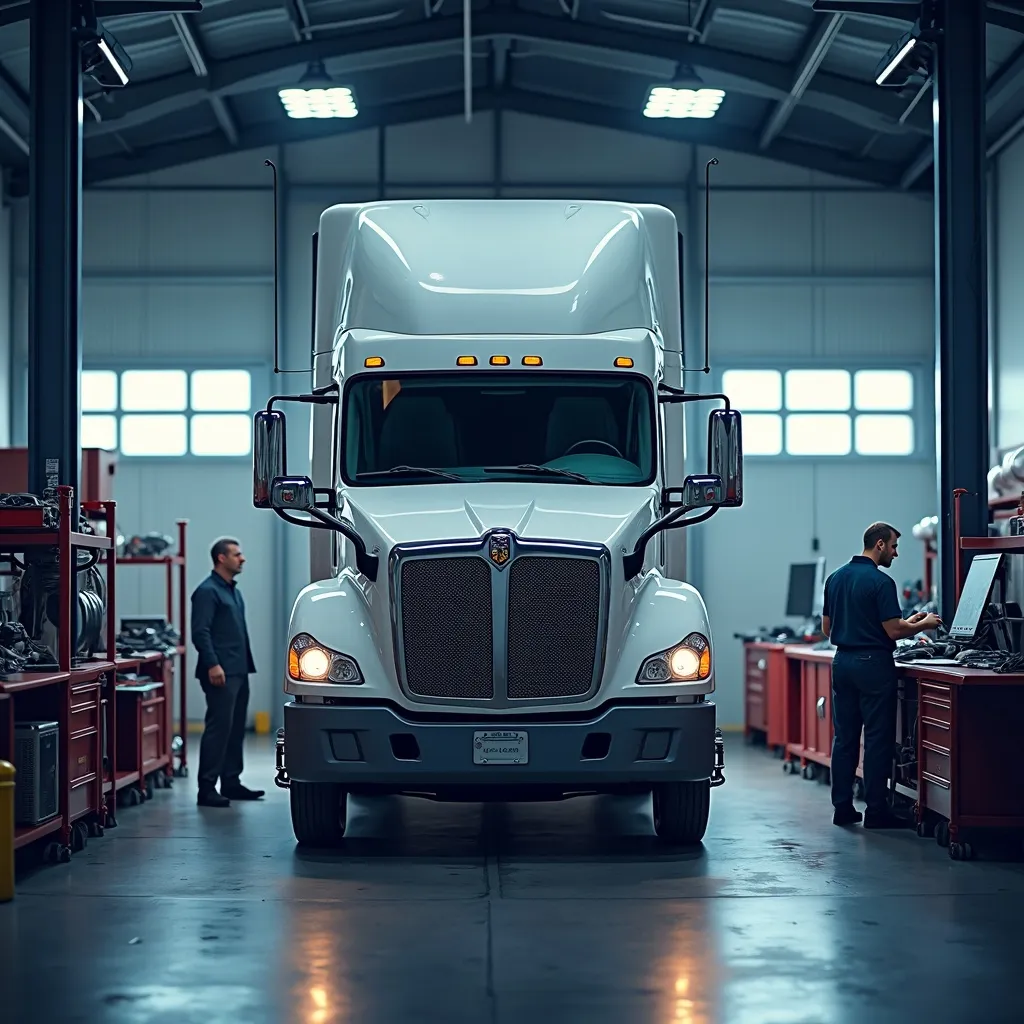
The Criticality of Reliable Semi Truck Services
Professional semi truck services constitute an important role in the transportation industry, offering timely shipments and promoting efficient logistics. These services serve as the foundation for organizations that are reliant on transport goods over vast distances. The skill to keep timelines and achieve deadlines materially impacts an organization's reputation and profitability. Additionally, reliability of semi truck operations supports reducing operational expenses, as it prevents delays that can lead to economic losses.
Moreover, dependable trucking services improve customer satisfaction by ensuring that products arrive in peak condition and on time. A consistent service also fosters trust between carriers and clients, creating long-term partnerships. Furthermore, with the growing demand for e-commerce, the need for reliable transportation has never been more critical. In this competitive landscape, businesses that prioritize dependable freight transportation are better positioned to thrive and adapt to changing market conditions.
How to Assess the Standing of Semi Truck Service Providers
Assessing the credibility of semi truck service providers is vital for businesses aiming to confirm smooth logistics and timely deliveries. Organizations can start by investigating online ratings and feedback from previous clients, which often reflect the reliability and quality of service offered. Social media platforms can also give insights into customer experiences and engagement levels.
In addition, gathering recommendations from industry peers can supply pertinent insights about credible sources. Affiliation in well-known associations, such as the American Trucking Association, often points to a adherence to industry standards and best practices.
It is also beneficial to check for any complaints filed with regulatory agencies, as this can reveal possible problems. In conclusion, evaluating the service provider's background and performance history in handling particular freight types may further clarify their proficiency. By utilizing these approaches, companies can make informed decisions when choosing semi truck service providers.
Important Guidelines for Choosing Your Semi Truck Service
Choosing a semi truck service requires considering multiple important factors. Service reliability and availability, pricing transparency, and compliance with safety regulations are fundamental factors that greatly impact operational efficiency. Understanding these elements is essential for choosing wisely.
Service Reliability and Uptime
Choosing a freight truck service largely depends on its dependability and readiness, as these factors have a direct impact on operational efficiency. A dependable service delivers punctual deliveries, cutting down the risk of hold-ups that could affect client satisfaction and overall business outcomes. Availability holds equal weight; a service functioning all day and night can address urgent needs and unplanned events, granting peace of mind for long hauls. Organizations ought to assess a provider’s past record, including timely deliveries and issue handling. Moreover, reviewing the fleet’s maintenance routines can uncover potential trustworthiness, confirming the vehicles are serviceable and ready for long hauls. Ultimately, prioritizing reliability and availability aids businesses in maintaining a competitive edge in the logistics industry.
Pricing Transparency and Framework
Many variables affect the selection of a semi truck service, with pricing transparency and structure being fundamental factors. Clients need to know the cost breakdown related to their services to make well-informed decisions. Open pricing avoids hidden fees and unexpected charges, creating trust between the service provider and client. A clear structure outlining costs for distance, weight, and extra services helps businesses budget effectively. Moreover, companies that provide detailed quotes and itemized invoices show professionalism and accountability. By emphasizing pricing transparency, clients can be assured they receive just compensation for their investments while steering clear of unpleasant surprises during long-distance hauls. This clarity ultimately leads to a smoother and successful transport experience.
Safety Standards and Compliance
Safety standards and compliance are essential factors in choosing a semi truck service. Companies must follow federal and state regulations, including the Federal Motor copyright Safety Administration (FMCSA) guidelines. These regulations cover vehicle maintenance, driver qualifications, and hours of service. A reputable service will employ qualified drivers with necessary certifications and maintain up-to-date records of inspections and repairs. Additionally, compliance to safety protocols, such as proper cargo securing and the use of safety equipment, is vital. Clients should inquire about the service's safety history, including accident rates and compliance audits. By prioritizing safety and compliance, businesses can guarantee reliable transportation while reducing risks on long-distance hauls. Ultimately, these factors contribute to a trustworthy and efficient semi truck service.
How to Choose the Right Price Structure for Long-Distance Hauling
How can one effectively determine the most fitting pricing model for long-distance hauling? The selection relies on various elements, including the nature of the shipment, mileage, and economic conditions. Common pricing models feature per-mile rates, flat fees, and weight-based charges. Companies should assess their shipping frequency and capacity to recognize which approach lowers costs while ensuring profitability.
Additionally, comprehending the competition's price tactics can provide understanding into market standards. For example, mileage-based pricing may be beneficial for regular pathways, while flat fees could assist irregular shipments. It's also crucial to account for potential surcharges, such as fuel or tolls, which can significantly impact overall expenses.
In the end, picking the correct price structure necessitates a detailed analysis of functional requirements, competitive landscape, and business objectives to make sure that the selected method corresponds with the company's long-term strategy.
The Importance of Customer Support in Trucking
Strong customer support plays a crucial role in the trucking industry, shaping both operational efficiency and client satisfaction. Prompt interaction between trucking companies and clients establishes trust, ensuring that expectations are plainly understood and met. When issues arise, responsive support teams can swiftly address concerns, decreasing potential disruptions to shipments.
Furthermore, expert assistance team can offer valuable insights into supply chain management, helping clients determine the best options about their freight needs. This forward-thinking strategy not only enhances the customer experience but also strengthens long-term partnerships.
Moreover, excellent customer support can make a trucking company stand out a trucking company in a fierce market. Clients are more prone to remain loyal to a company that values their needs and handles problems successfully. Ultimately, focusing on quality customer support is crucial for guaranteeing operational success and developing a positive reputation in the trucking industry.
Major Innovations in Semi Truck Maintenance
In the field of semi truck operations, advanced technologies serve as an crucial role in improving operational efficiency. GPS navigation systems, fleet management software, and telematics with data analytics are integral tools that streamline logistics and improve route planning. These innovations not only optimize performance but also contribute to cost savings and improved resource management.
Global Positioning Navigation Devices
In the evolving logistics industry, GPS navigation systems have turned necessary for semi truck services, boosting efficiency and safety during road operations. They offer instant location tracking, enabling drivers to select the best routes and steer clear of traffic jams. Utilizing satellite technology, GPS optimizes navigation accuracy, resulting in lower fuel consumption and faster delivery times. Also, numerous systems come with features including route optimization and road condition warnings, which allow drivers to make knowledgeable decisions on the road. This data can be analyzed for performance monitoring, aiding companies in assessing driving habits and the effectiveness of routes. In the end, GPS navigation systems serve as a key tool backing the operational demands of long-haul trucking, guaranteeing on-time deliveries and better customer satisfaction.
Fleet Operations System
Fleet management software revolutionizes the way semi truck services function by simplifying workflows and improving decision-making. This technology combines various functions, allowing fleet managers to track vehicle performance, improve routes, and oversee maintenance schedules effectively. By centralizing information into a single platform, it enables real-time tracking of assets, ensuring timely deliveries and reducing operational costs. In addition, fleet management software ensures compliance with regulations by automating reporting and documentation processes. The ability to examine past performance aids in forecasting needs and enhancing resource allocation. Overall, this software empowers logistics companies to boost productivity, minimize downtime, and sustain a competitive edge in the ever-evolving transportation industry.
Telematics and Analytical Insights
The integration of telematics and data analytics into semi truck services significantly improves operational efficiency. By utilizing real-time data, fleet managers can track vehicle performance, track fuel consumption, and improve routes. This technology enables predictive maintenance, minimizing downtime and prolonging the lifespan of vehicles. Data analytics further assists in identifying patterns and trends, allowing for strategic choices that enhances logistics and economic efficiency. Furthermore, telematics systems offer insights into driver behavior, promoting safer driving practices and enhancing overall road safety. As a result, companies implementing these technologies are better positioned to respond to market demands while reducing operational costs. Ultimately, telematics and data analytics constitute essential instruments for modernizing and streamlining long-distance hauling operations.
Tips for Establishing a Long-Term Relationship With Your Trucking Service
Forming a effective sustained working relationship with a trucking service requires strategic planning and open communication. First, firms should establish clear expectations about delivery timelines, costs, and quality standards. This clarity cultivates mutual understanding and limits potential conflicts.
In addition, regular check-ins can promote a engaged relationship, enabling both parties to confront issues before they mount. It is also crucial to communicate insights into service requirements and complications, allowing the trucking service to fine-tune its solutions effectively.
Moreover, recognizing the trucking service's efforts and successes can improve morale and commitment. Offering input and recognizing improvements creates a cooperative atmosphere.
Ultimately, consider discussing expansion possibilities and how both parties can gain advantage from each other's expansion. By investing time and resources into nurturing this partnership, businesses can guarantee not only reliability in service but also a market advantage in the logistics landscape.
Questions Frequently Inquired About
What Varieties of Cargo Can Credible Semi Truck Solutions Convey?
Dependable semi truck operations can transport different kinds of cargo, including agricultural products, machinery, electronics, textiles, and hazardous materials. Their versatility allows efficient movement across distances, serving refer to resource diverse industries and logistical needs.
What's the Best Way to Track My Shipment During Long-Distance Hauls?
To follow shipments during long-distance hauls, one can use GPS tracking systems, mobile applications, or online portals provided by the trucking service, ensuring real-time updates on location and estimated delivery times throughout the journey.
What Insurance Options Are Obtainable for Semi Truck Services?
Various insurance options for semi truck services encompass liability coverage, cargo insurance, physical damage insurance, and non-trucking liability. Each type addresses specific risks, guaranteeing adequate protection during long-distance transportation and reducing potential financial losses.
How Might Weather Conditions Influence Long-Distance Trucking Services?
Weather conditions substantially influence long-distance trucking services, affecting visibility, road conditions, and driving safety. Rain, snow, and fog can cause delays, increase accident risks, and necessitate adjustments in routes and schedules for ideal safety.
What Actions Should I Follow if My Shipment Is Running Late?
If a cargo is delayed, the party involved should start by contacting the copyright for updates, then advise the recipient about the situation. Examining the contract for terms and feasible remedy options may also be beneficial.